

Introduction
Renovating a house is a process of making structural and aesthetic changes to improve the functionality, comfort and overall appearance of the living space. It is important to point out that renovation and reconstruction are different terms. While renovation involves the renewal and updating of an existing structure, reconstruction implies the total or partial demolition of the structure and the building of a new one. During a renovation process, a range of changes can be made to improve the home. This includes reconfiguring the layout of the rooms, allowing better use of the space and a smoother flow. Replacing floors and wall coverings is another common change, giving a more modern and durable look. The electrical and plumbing systems can also be renewed to improve how the home works and to ensure safety and energy efficiency. In addition, renovation aims to make the home more functional and harmonious. This can be achieved by redefining and organising the spaces, making better use of natural light, improving thermal and acoustic insulation, and introducing design elements such as neutral colours and quality materials. The goal is to create an environment that meets the needs and wishes of the occupants, promoting a better quality of life. In short, renovating a house goes beyond simple aesthetic changes. It involves transforming the existing structure to make it more pleasant, functional and suited to the residents' lifestyle. Through changes to the layout, flooring, and electrical and plumbing systems, it is possible to create a renewed and revamped living space.Renovating your home: find out how much you will need to spend
Renovating a house can be an exciting project, but it can also require a significant financial investment. Before starting any renovation work, it is essential to have a clear idea of the costs involved. The average cost of renovating a house, in 2023, is close to €300/m2, however this figure can vary between €200/m2 and €800/m2, depending on the complexity and type of the work, and the city where the renovation is carried out (e.g. Porto, Lisbon, etc.) If you are curious to know these figures as total amounts, in 2024 and 2025 the average for renovating an entire house was €25.000, but these figures can also vary between €5.000 and €100.000. For more information you can see the m2 value by municipality. Renovation costs can vary widely, depending on the size of the house, the type of work to be carried out and the quality of the materials selected. Specific rooms such as the kitchen and bathroom tend to be the most expensive to renovate, due to the need to update and replace equipment and fixtures. A detailed breakdown of costs is essential to avoid unpleasant surprises and to ensure the budget matches expectations. It is important to consider every aspect, such as labour, materials, licences, hiring professionals and any need to change the plumbing or electrics. Comparing quotes from several renovation companies is also a smart approach to ensure you get a fair price and quality services. In addition, it is essential to choose durable, high-quality materials that can withstand wear over time, ensuring a satisfactory end result. When calculating the total cost of the renovation, remember to include a safety margin for unforeseen events. This will help avoid difficult financial situations during the renovation process. In short, when planning your home renovation, be sure to carry out a detailed breakdown of costs, taking into account the specific costs of the various rooms, in order to ensure your project is completed within the planned budget. How much does it cost to renovate a flat or house? See our summarised price table:The most common factors for a full home renovation
A full home renovation involves considerations about the choice and quality of materials, plumbing, insulation and lighting, as well as the budget. Hiring the right professionals and a reliable company is crucial, as is attention to aesthetic and decorative details. Although challenging, by keeping an eye on these factors it is possible to achieve a renovation that improves quality of life and provides a pleasant and functional environment.
1. Aesthetics and Comfort
When it comes to renovating a house, aesthetics and comfort play a crucial role in improving the residents' quality of life. Aesthetics refers to the visual appeal of the space, while comfort relates to the physical and emotional well-being of the occupants. When renovating a flat, investing in aesthetics is essential to create a pleasant and welcoming environment. Neutral colours and adequate lighting can provide a sense of calm and tranquillity. In addition, choosing durable, high-quality materials can transform an ordinary space into something extraordinary. However, the quality of the materials can have a significant impact on the total renovation budget. For example, opting for solid wood flooring can be more expensive than choosing laminate flooring. Likewise, using marble on worktops and floors can considerably increase costs compared with more affordable alternatives. Nevertheless, it is important to bear in mind that the quality of the materials should not be neglected. Durable materials of good provenance ensure the longevity of the changes made to the property, reducing the need for future maintenance and replacements. So, when renovating a flat, it is essential to strike a balance between aesthetics, comfort and budget. Opting for quality materials will guarantee an aesthetically pleasing and durable result, thus providing a more comfortable environment and improving the residents' quality of life.2. Preparing for sale
Preparing a renovated property for sale is essential to increase its chances of selling faster and at a higher price. Renovated flats are highly valued by buyers, as they offer a modern look with no need for major investment in refurbishment. Simple renovations, such as painting the walls and ceilings, can make all the difference when it comes to selling. A fresh coat of paint can revitalise rooms, making them more attractive and clean. In addition, the right colours can convey a sense of space and brightness, making the property even more appealing to potential buyers. When carrying out a renovation, it is important to obtain quotes and verified opinions from home renovation professionals. This will ensure you have a clear idea of the costs involved and the work carried out. Experienced professionals can offer guidance on the best choices of materials and finishes, which contributes to increasing the property's value. In short, preparing a renovated property for sale is a fundamental step in achieving a successful negotiation. Investing in simple renovations, such as painting, can make all the difference, adding value to the property and increasing its chances of a quick sale at a higher price. Be sure to obtain quotes and verified opinions from renovation professionals to guarantee quality work.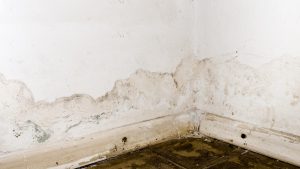
3. Damp, water infiltration and other problems
Before starting to renovate a house, it is essential to address any damp and water infiltration problems that may exist. These problems are common in many homes and can have various causes, such as water leaks, condensation, a lack of adequate insulation or external infiltration. The presence of damp and infiltration can result in significant damage, affecting the structure of the house and compromising the residents' quality of life. Excessive damp can lead to the growth of mould and mildew, which can cause respiratory health problems. By addressing these problems before starting the renovation, you can ensure that the new structure and materials are not damaged by future infiltration. This also avoids extra expense from having to repair damp damage later. In addition to damp and infiltration, other common problems can arise during a renovation, such as plumbing faults, electrical problems, structural issues, the presence of hazardous substances (such as asbestos) and even challenges related to choosing the right materials for the renovation. Therefore, when carrying out a renovation, it is essential to rely on specialist professionals to identify and properly resolve these common problems, ensuring the quality and durability of the project.4. Overall quality of the flat
The overall quality of the flat plays a fundamental role in the satisfaction and comfort of its occupants. However, over time, the home may need some renovations to improve its functionality and safety. An interesting option for updating the home is to turn it into a smart home. By installing home automation systems, you can control various elements of the house through apps on your mobile phone. This provides greater convenience and practicality for the resident. In addition, investing in improvements such as acoustic and thermal insulation can bring great benefits. Fitting an external thermal cladding (capoto) or ETICS system, for example, helps reduce external noise and improve the thermal comfort of the space. The average price for carrying out this improvement varies according to the size of the area to be insulated. When planning renovations, it is also important to consider the costs involved. The average price of a complete home renovation can vary considerably, depending on the extent of the work and the choice of materials. The price per square metre is usually a good reference for estimating total costs. Therefore, when investing in flat renovations, take the overall quality into account, aiming to improve functionality and safety. Also consider turning it into a smart home, as well as acoustic and thermal insulation, to ensure a pleasant and comfortable environment for all occupants.How much does it cost to renovate a house room by room?
Renovating a house is a significant investment that can have a notable impact on the quality of life of its occupants. When renovating, you can update and improve aspects such as bathrooms, natural lighting, thermal and electrical insulation, choice of materials, flooring and much more. However, it is natural to ask: how much does it cost to renovate a house? The total cost of a renovation depends on several factors, such as the size of the house, the type of renovation desired and the quality of the materials used. In addition, it is important to consider aspects such as plumbing, acoustic insulation, the choice of neutral colours, the installation of decorative objects and even changing the plumbing. To get an accurate cost estimate, it is advisable to seek the services of a company specialising in renovations. With a well-planned renovation project, you can transform your home according to your preferences and needs, ensuring a more comfortable and aesthetically pleasing lifestyle.Renovating the living room
Renovating the living room is an excellent way to give your home a new look and improve the comfort of the space. There are various options and costs involved in this renovation process. One of the most common options is to revamp the existing furniture in the room. This can be done by reupholstering, painting, sanding and applying new finishes. These changes can give the furniture a fresh, modern look, without the need to buy new pieces. Another option is to paint the walls. Choosing light, neutral colours can help make the space feel larger and brighter. In addition, you can also opt to add wallpaper to bring a touch of personality and style to the room. Lighting is also an important aspect to consider when renovating the living room. Natural light can be maximised by installing large windows and glass doors. For artificial lighting, you can opt for ceiling lights, lamps or adjustable spotlights. The cost of renovating the living room can vary depending on the aesthetic choices and the level of comfort desired. In general, costs can range from 1.000€ to 5.000€. It is important to do some research and planning before starting the renovation process to make sure you stay within your budget. Renovating the living room is a great way to transform the space and create a cosier, more inviting environment. With the renovation options mentioned, you can give your living room a new lease of life without spending a fortune.Prices for renovating a living room
Renovating a living room can breathe new life into the space, making it cosier and more up to date. The prices for this type of renovation can vary according to the size of the room and the type of work needed. On average, replacing the furniture can cost around €2.000 to €5.000, depending on the quality and style of the furniture chosen. Renovating the décor, such as painting the walls and using wallpaper, can range from €500 to €2.000, taking into account the floor area of the room. Lighting is an important element in the living room, and investing in a combination of artificial and natural lighting can make all the difference. Installing light fittings, spotlights and recessed lights can cost on average €800 to €2.000. Using large windows to take advantage of natural light can vary according to the project and the choice of materials. In short, the prices for renovating a living room can vary considerably, depending on the options chosen and the size of the room. It is important to plan in advance and obtain several quotes to ensure a renovation process that stays within your budget. Bear in mind that hiring qualified professionals and choosing quality materials are essential to guarantee a satisfactory and long-lasting end result.Kitchen Renovation
Renovating the kitchen can be an exciting project, but it can also be a costly one. When considering the costs associated with the renovation, it is important to take several factors into account. For example, replacing the plumbing and buying new appliances can significantly affect the final price. To reduce the total cost of the renovation, it is advisable to consider cheaper materials, such as wood or laminates, for the cabinets and worktops. These materials are excellent quality and visually attractive, but come at a more affordable price compared with more luxurious options. In addition, when renovating the kitchen, you can consider removing walls to increase natural light and create a more open, airy space. This can also contribute to a better quality of life and a sense of spaciousness in the room. The typical price range for a kitchen renovation is between 3.000 € and 15.000 €, depending on the extent of the changes and the materials chosen. It is worth noting that investing in more energy-efficient appliances can result in long-term savings. Therefore, when renovating your kitchen, take the total costs into account, choose more affordable materials and consider the possibility of removing walls to increase natural light and space. These decisions can result in a high-quality renovation that fits your budget.Kitchen renovation prices
When it comes to renovating the kitchen, prices can vary depending on the size of the area and the type of work needed. However, here are some average prices to consider for the different elements of the renovation. Kitchen units can cost on average between 500€ and 8.000€, depending on the quality and material chosen. The kitchen worktop can range from 35€/m to 70€/m, considering different materials such as granite, marble or quartz. Flooring is also a factor to consider, with average prices between 10€ and 70€ per square metre. For painting and tiles, you need to take the total area of the kitchen into account. Painting can cost on average 350€, while tiles can range from 20€/m2 to 50€/m2, depending on the quality and size chosen. If you want a kitchen island, the average cost ranges from 450€ to 6.000€, including installation and the necessary materials. An extractor hood can cost between 40€ and 200€, while a hob can range from 100€ to 3.000€, depending on the quality. Appliances can range from 200€ to 2.000€ each, depending on the brands and features desired. Note that these prices are only an estimate and may change according to your choices and preferences. Be sure to request personalised quotes to get a more accurate idea of the prices for renovating your kitchen.Renovation of the Bathroom
When it comes to renovating a bathroom, it is important to keep both aesthetics and functionality in mind. This room requires specific materials that are moisture-resistant and durable over time. The cost associated with this renovation can vary depending on the type of renovation desired. Some of the most common renovations in a bathroom include removing the bidet and replacing the bathtub with a shower tray. These changes aim to optimise the space and improve functionality. It is essential to ensure there are no water leaks or infiltration during the renovation process. To avoid future problems, it is important to choose quality materials and rely on the specialist workmanship of experienced professionals. A complete bathroom renovation can include installing new tiles, flooring, units, taps and sanitary ware. The cost of this project will depend on the size of the room, the materials chosen and other specifics of the project. It is worth noting that the costs of renovating a bathroom can vary widely, depending on the size of the area, the choice of materials and the type of work to be carried out. On average, it is estimated that a complete renovation can cost between 2.000€ and 14.000€.Bathroom renovation prices
When it comes to renovating a bathroom, it is important to consider the prices of the various services involved. The main tasks include painting, wall coverings, replacing the bathtub with a shower enclosure, plastering and painting the ceiling, applying tiles or mosaic, and installing mirrors. The prices for renovating a bathroom can vary depending on the size and complexity of the project, as well as the quality of the materials chosen. For example, painting the walls can cost between 200€ and 500€ euros, while tiling or mosaic can cost between 30€/m2 and 100€/m2. Replacing the bathtub with a shower enclosure is a popular option and can cost on average 750 to 2.200 euros, depending on the size and complexity of the installation. Plastering and painting the ceiling normally cost 30€ euros per square metre. As for mirrors, prices can vary according to the size and style chosen. Generally, you can expect to pay 50€ to 250€ euros per mirror. A toilet costs on average 300€ per unit, and a shower usually costs between 300€ and 1.400€. Plumbing services are normally charged by the hour, so we can expect figures between 10€/h and 70€/h. It is important to keep in mind that these prices are only estimates and may vary depending on the region and the company hired. It is always advisable to request detailed quotes before starting any renovation project.Bedroom Renovation
When renovating a bedroom, many elements must be considered to achieve a comfortable and functional space. Organising the wardrobe is one of the main concerns. Although most bedrooms already have a built-in wardrobe, improvements can be made, such as changing the arrangement of the shelves and drawers to optimise storage space. In addition, the choice of furniture is essential. It is important to select pieces that suit the lifestyle and needs of the occupants, as well as offering comfort and practicality. Décor also plays an important role in renovating a bedroom, using colours and decorative objects that reflect the personality and lifestyle of the occupants. Paintwork is another way to give the bedroom a new look, using neutral colours to create a sense of tranquillity or vibrant colours to convey energy and dynamism. However, it is important to be prepared to face challenges during the renovation process, such as choosing the right materials, hiring qualified professionals and dealing with possible unforeseen events. By considering all these aspects and preparing properly, renovating the bedroom can result in a renewed and cosy space, contributing to the residents' quality of life.Bedroom renovation prices
The costs associated with a full bedroom renovation, including the purchase of furniture, range between €1.500 and €7.000. However, if you are simply interested in painting the walls and laying a new floor, the figures can range between €1.000 and €2.500. Hanging wallpaper, according to the latest average figures from 2023, ranges between €100 and €250, depending on the complexity of applying it. A built-in wardrobe can range from €750 to €5.000, depending on the quality of the materials.Exterior and balcony renovation costs
Renovating outdoor areas is an excellent option for transforming your exterior space into a pleasant and functional place. There are various options for renovating this area, from creating a lush garden to adding a comfortable seating area. A sustainable and economical way to renovate is by using recycled materials to build furniture or flooring. They can give your space a unique and eco-friendly touch. A barbecue is another popular addition in outdoor renovations. There is nothing like grilling delicious meals outdoors and enjoying special moments with friends and family. Making the most of the outdoor space is essential for improving quality of life. Having a quiet place to relax and enjoy nature can bring significant physical and mental benefits. The costs of renovating outdoor areas can vary depending on the size and complexity of the project. On average, for smaller spaces, costs can range between €200 and €1.500. For a complete renovation, costs can range between €500€ and €3.000. Whatever your choice, renovating outdoor areas is a great way to make the most of your home's exterior space, creating a welcoming and inviting environment. Let your imagination flow and turn your outdoor space into a true oasis of tranquillity and pleasure.What criteria will make the work more expensive or cheaper?
When renovating a house, it is important to consider various factors that can influence the total cost of the work. The choice of materials, for example, can make all the difference to the final budget. Opting for quality materials, such as wallpaper, a shower tray and laminate flooring, may make the refurbishment a little more expensive, but guarantees a durable and aesthetically pleasing result. In addition, hiring a professional renovation company, although it has a higher initial cost, ensures the work is well executed, avoiding rework and extra expense in the future. Another factor that can affect costs is the size and complexity of the project, considering the number of square metres to be refurbished and the need to change the plumbing and install thermal and acoustic insulation. Finally, it is important to remember that a good choice of the professionals involved, as well as the use of more efficient methods and materials, can optimise spending and guarantee quality work, resulting in excellent value for money.Number of rooms
The number of rooms in a house can have a significant impact on the total renovation budget. The more rooms that need to be altered, the greater the amount needed to carry out the renovation. This is because each room has its own specific characteristics and needs, such as flooring, walls, lighting and plumbing. If the available budget is not enough to renovate all the rooms at once, a viable strategy is to opt to renovate one or two priority rooms at a time. This way, you can focus on the areas that need the most work, ensuring a more efficient renovation. In addition, it is important to point out that it is possible to negotiate the cost of the work with the company hired. Often, by talking directly to the professionals responsible for the renovation, it is possible to find solutions better suited to the available budget, without compromising the quality of the work. Having a defined number of rooms to renovate and prioritising the most important ones can be a smart strategy for controlling costs and ensuring a successful renovation. With proper planning and negotiation, it is possible to transform a house in a more affordable and satisfactory way.Size of the areas
When renovating a house, the size of the areas is a crucial factor that can significantly influence the total renovation budget. Many renovation companies calculate costs based on the number of square metres of the property, which means that the larger the house, the more materials, workers and working hours will be needed. The size of the areas can affect various parts of the renovation project. For example, when replacing the flooring, a larger house will require a greater quantity of materials, as well as more time and effort for installation. The same applies to other areas, such as painting, hanging wallpaper or installing a shower tray. It is important to keep these dimensions in mind when developing a renovation plan, as they can have a direct impact on the timeline and budget. Knowing the total area of the house and of each specific space will allow you to properly estimate the costs related to materials and labour. Having this information to hand will also help you compare quotes from different renovation companies, ensuring that they all properly take the size of the house into account when calculating costs. Therefore, when planning your home renovation, remember to consider the size of the areas and how they can influence the total cost of the project.Duration of the work
The duration of a renovation can vary significantly, depending on the degree of complexity of the project and the items to be modified. Various factors can influence the time needed to complete the work, such as the availability of the professionals involved and the possibility of contributing your own labour. In addition, the duration of the work also directly affects the budget. The longer the work takes to complete, the more costs will accumulate, from paying the professionals involved to the cost of materials and equipment hire. One way to reduce the time and consequently the cost of the work is by negotiating with the professionals involved, seeking agreements that can optimise the execution time. Another option is to use additional labour, whether with hired staff or even with the contribution of the residents themselves. It is important to bear in mind that reducing the duration of the work should not compromise the quality of the work carried out. It is necessary to ensure that all stages are completed properly, as this will directly influence the durability and the end result of the renovation.Quality of the materials
The quality of the materials plays a fundamental role in renovating a flat. As well as directly influencing the durability and functionality of the elements of the space, it can also significantly affect the final budget of the project. When it comes to high-quality materials, they are expected to cost more compared with more basic options. State-of-the-art appliances, for example, may offer additional features and greater energy efficiency, but tend to be more expensive. Likewise, choosing high-quality flooring, such as solid wood floors, can add aesthetic value and durability, but comes at a higher price compared with simpler materials. Windows and skylights with good thermal and acoustic insulation can also increase the cost of the refurbishment, but guarantee comfort and reduced energy expenditure in the long term. Heating solutions, such as more efficient electric heaters and modern air-conditioning systems, may have a higher initial cost, but keep the environment comfortable, resulting in considerable savings in the long term. In this respect, it is important to consider the relationship between the quality of the materials chosen and the final budget of the project. Opting for high-quality materials may involve a larger investment, but in the long term it can result in reduced spending and greater durability, ensuring a renewed and functional environment for many years.Other separate costs
Improvements to a house or flat through renovations can bring various benefits, especially when it comes to improving thermal insulation. There are several options for achieving this goal and ensuring a comfortable and energy-efficient environment. One of the options is to add insulating material to the walls. This can be done using glass wool, rock wool or polyurethane, which help slow the transfer of heat between the interior and exterior of the house. The cost of insulation with rock wool ranges between €15/m2 and €32/m2. In addition, applying an external thermal cladding (capoto) or ETICS system to the outer layer can also increase thermal insulation and reduce energy consumption. On average, the price of installing external thermal cladding (capoto) is €40/m2. Another way to improve insulation is by installing double glazing or thermal insulation on the windows. This helps reduce heat loss during the winter and heat gain during the summer, keeping the internal temperature more stable and reducing the need to use heaters or air conditioning. In addition to thermal insulation, there are other transformative ideas for renovating the home, such as reusing wood from old objects to build furniture, sanding marble floors and painting walls or furniture in neutral colours. These changes can bring new life to the space, making it more modern and pleasant. In short, improving the thermal insulation of your house or flat is an effective way to increase comfort and reduce energy costs. Adding insulating material to the walls, applying an external thermal cladding (capoto) or ETICS system and installing double glazing are options that can bring great benefits. In addition, small changes such as reusing materials or renewing the décor can also transform the space in a positive way.Prices for insulation: thermal and acoustic
When renovating a house, one of the most important considerations is thermal and acoustic insulation. These aspects can significantly improve comfort and quality of life within a home, as well as helping to reduce energy costs. There are various thermal insulation options available, such as glass wool, rock wool, expanded polystyrene and polyurethane foam. The prices of these materials vary according to quality and thickness. For example, glass wool is an economical option (between €15/m2 and €28/m2), while polyurethane foam is a more premium thermal insulation material (between €30/m2 and €50/m2). For acoustic insulation, you can use materials such as plasterboard, acoustic foam and insulating panels. As with thermal insulation, the prices of these materials vary according to quality and thickness, but on average the prices range between €7/m2 and €23/m2. Optimising thermal and acoustic insulation during a home renovation is important for several reasons. Adequate thermal insulation helps keep the internal temperature stable, preventing excessive heat gain in summer and heat loss in winter. Acoustic insulation contributes to a quieter and more relaxing environment, blocking unwanted noise from outside or from other rooms in the house. Investing in quality materials for thermal and acoustic insulation is a smart choice during the renovation process. Although they represent an additional cost, these materials offer a significant return in terms of comfort and energy savings. That is why it is important to consider the corresponding prices and price ranges when choosing materials for the thermal and acoustic insulation of a house. Interior painting prices Interior painting prices can vary significantly, depending on various factors, such as the size of the space, the type of paint chosen and the complexity of the work. On average, the cost of painting the walls of a flat can range between €400 to €2,000, considering an area of approximately 100 square metres. As well as conventional painting, you can also opt for alternatives such as wallpaper, which can add a touch of personality to the room. The price of wallpaper can vary according to the design chosen, the quality of the material and the area to be covered. On average, the price per roll of wallpaper ranges between €25 and €200. Before starting any painting work, it is essential to prepare the walls properly. This preparation includes removing infiltration, repairing imperfections and applying a quality primer. These preparatory steps are essential to guarantee a durable and professional result.Prices for ceiling renovation
When it comes to renovating a house, ceiling renovation is something to consider. Ceilings play an important role in the appearance and functionality of a space. When renovating ceilings, you need to take various factors into account, such as treating damp stains and infiltration, painting the ceiling or even installing false ceilings in plasterboard. The prices for ceiling renovation can vary depending on the type and extent of the work needed. Treating damp stains and infiltration may require hiring specialist professionals, which can increase costs. Painting the ceiling also involves buying the right materials, such as paint and brushes. Installing false ceilings in plasterboard is another popular option. These ceilings offer versatility and ease of installation, but may cost a little more. However, they are effective at hiding imperfections and provide acoustic insulation. The average cost of installing false ceilings is approximately €30/m2. When renovating ceilings, it is also beneficial to optimise acoustic and sound insulation. This can be achieved by using suitable insulating materials during the renovation. Good acoustic insulation can help reduce external noise and create a quieter and more comfortable environment inside the home. In short, the prices for ceiling renovation can vary depending on the work needed, such as treating stains, painting or installing false ceilings in plasterboard. In addition, optimising acoustic insulation during the renovation can bring additional advantages, providing a calmer and more serene environment in your home.Buying new furniture for your home
During the renovation of a house or flat, choosing the right furniture is essential to create a comfortable and functional environment. There are various options available for buying new furniture, from large stores to joineries that produce bespoke pieces. It is worth mentioning that bespoke furniture is usually more expensive than mass-produced pieces. However, this option allows you to maximise the use of the available space and personalise every detail according to the needs and preferences of the occupants. A more economical alternative is to reuse existing furniture. With a little creativity and some modifications, you can transform an old piece into something completely new, adding charm and personality to the décor. For those who prefer to buy ready-made furniture, there are various popular stores offering a wide variety of options. Worten and IKEA are examples of well-known stores, recognised for the quality and design of their products. In short, buying new furniture during the renovation of a house or flat can be done in different ways. The choice between bespoke furniture, mass-produced furniture or reusing existing pieces will depend on the budget and style of each person.Painting or restoring furniture: prices
If you are looking for an economical option to renovate your home, painting or restoring furniture can be an excellent choice. As well as being a sustainable way to give your décor a new look, this alternative also offers affordable prices. For painting furniture, average prices can vary depending on the size and complexity of the piece. On average, the cost can range from €200 to €300 per piece. For lacquering furniture, the investment can range from €70 to €400. Reupholstering a sofa is also a viable option, with average prices found from €400. It is worth noting that buying new furniture may end up increasing the final cost of the renovation. That is why considering the option of painting or restoring furniture can be a more economical and sustainable alternative.Architectural project
An architectural project is essential for a home renovation, especially when significant changes to the structure of the property are intended. It consists of a set of documents and plans detailing the modifications to be made, taking into account aesthetic, functional and legal aspects. To start a renovation, you need to obtain authorisation from the local council, presenting an architectural project. This project is developed by an architect, who analyses the client's needs and preferences, considers the characteristics of the site and creates personalised, creative solutions. The typical phases of a renovation project include drawing up the preliminary design, in which the main concepts and ideas are defined, defining the specialist projects, such as electrical, plumbing and structural, obtaining the necessary licences and approvals and, finally, the construction phase. Having an architect overseeing the work is essential to ensure the project is carried out as planned, avoiding mistakes and waste. In addition, the architect can also assist in the selection of materials and suppliers, ensuring quality and the best value for money. The average price of an architectural project can vary according to the size and complexity of the renovation, as well as the reputation and experience of the professional. It is important to include the costs of the specialist projects in the budget, as they are essential for the smooth running and success of the work. Investing in a suitable architectural project is essential to guarantee a successful and satisfactory renovation.Which rooms are the most expensive to renovate and why?
When renovating a house, some rooms can be more expensive than others due to various factors. One of the rooms that usually requires a larger investment is the kitchen. This is because the kitchen requires a good amount of equipment, such as cookers, fridges and fitted units, as well as specific materials for worktops and coverings. In addition, the plumbing and electrics often also need to be updated to meet the modern needs of the kitchen. Another room that can be quite expensive is the bathroom. In this case, in addition to the costs of purchasing sanitary ware and fittings, the plumbing usually also requires changes. Furthermore, the pursuit of greater comfort and style in the bathroom may require installing a shower tray, choosing coverings and adequate lighting. That is why it is important to carry out careful planning and rely on specialist professionals so that these rooms are renovated efficiently and within the established budget.Kitchen
When it comes to renovating a kitchen, it is important to consider the various costs involved in the process. In addition to the materials and labour needed, you have to take into account the possibility of changing the plumbing and buying new appliances. The plumbing may need adjustments or even to be completely replaced, depending on the age and condition of the existing installations. This can represent a considerable cost, but it is essential to ensure proper operation and avoid future problems. The choice of materials used in the cabinets will also have an impact on costs. Quality materials, such as solid wood, tend to be more expensive, while more economical options, such as MDF and laminate, can offer a more affordable alternative. In addition, the choice of appliances can also vary the final costs. In addition to the costs, removing partition walls in the kitchen can bring many benefits. Opening up the space results in more natural light entering, making the kitchen more pleasant and bright. In addition, the sense of spaciousness is enhanced, creating a more spacious and flowing environment. As for prices, it is important to point out that they vary considerably depending on the extent of the renovation and the materials chosen. On average, a kitchen renovation can cost between €5.000 to €15.000, but you have to consider that these figures can be even higher depending on the specifics of the project. In short, renovating a kitchen involves various costs and considerations. Changing the plumbing, buying new appliances and choosing the materials for the cabinets are important factors to consider. In addition, removing partition walls can bring benefits such as better lighting and a greater sense of space in the kitchen. It is essential to carry out proper research and planning to ensure the end result meets your needs and budget.Integrated living and dining room
The integrated living and dining room is one of the most important rooms in a flat, and also one of the most expensive to renovate. This area plays a central role in family life and in receiving guests, so it is essential to create a pleasant and comfortable environment. One of the main changes that can be made is replacing the furniture. Updating the furniture is an effective way to renew the space and provide a sense of renewal. In addition, painting the walls can also bring new life to the room, choosing colours that harmonise with the décor. Adding wallpaper is another option for renovating the integrated living and dining room. Wallpaper can bring different textures, patterns and colours, giving the room a touch of personality. Lighting is a crucial aspect in this room. Investing in quality lights and a good distribution of light points can make all the difference, creating a welcoming and comfortable environment. In addition, reinforcing the windows with blinds and double glazing can improve acoustic and thermal insulation, ensuring greater comfort throughout every season of the year. When renovating the integrated living and dining room, it is important to consider all these changes and improvements, to ensure a pleasant and functional space for family life and receiving guests.Bathrooms
Renovating bathrooms is an effective way to transform the space into a functional and attractive environment. In this process, the choice of materials plays a fundamental role. Using quality materials, such as durable and elegant tiles, can give the bathroom a modern and sophisticated look. In addition, functionality is a crucial aspect to consider during the renovation. Replacing bathtubs with shower trays is a growing trend, as it offers more practical use and saves space. As for costs, renovating a bathroom can vary depending on the size of the space and the extent of the changes needed. However, it is important to bear in mind that this renovation can bring a considerable increase in the property's value. A renovated and updated bathroom is a decisive factor for buyers, adding value and increasing competitiveness in the property market. In short, renovating bathrooms is an opportunity to transform an essential space into a functional and pleasant area. Choosing the right materials and optimising functionality are key elements in ensuring the success of this renovation. In addition, the costs involved can be offset by the increase in value that a renovated bathroom brings to the sale of the home.Which materials will cost the most?
When renovating a house, it is important to bear in mind that some materials cost more than others. This means that, if you are working with a limited budget, it is essential to prioritise and make smart choices to avoid excessive spending. One of the biggest costs in a renovation is usually the appliances. If you are thinking of replacing the kitchen, for example, it is important to research brands and models that fit your budget. In addition, the flooring can also influence the total cost of the work. Laminate flooring, for example, is a popular option because it is more affordable, yet still durable and easy to maintain. Windows are also an important element to consider when it comes to costs. PVC windows tend to be more expensive than aluminium ones, but offer greater thermal and acoustic insulation, which can bring long-term savings. Another element that can increase the cost of the renovation is skylights, which are great for bringing natural light into the space, but can be more expensive due to their installation. Finally, it is important to remember the heating system. Electric heaters are cheaper to buy, but can result in higher spending over time. Central heating systems, although more expensive initially, can bring energy savings in the long term. In short, when planning a renovation, it is essential to take into account the materials that will be used. Opting for quality yet more affordable materials, such as laminate flooring or PVC windows, can help reduce the total cost of the work. In addition, it is important to analyse the value for money of each material, considering aspects such as durability, energy savings and aesthetic impact.Renovating your home: how to save money?
Renovating your home can be an exciting task, but it can also be a challenge for your wallet. However, there are some strategies that can help save money during this process. The choice of materials is one of the most important considerations, as quality materials can result in lower maintenance costs in the long term. In addition, opting for versatile and durable materials can help avoid future refurbishments. Another tip is to carry out careful planning and compare different quotes, prioritising essential needs first. It is also important to consider the possibility of doing some tasks yourself, such as painting or installing decorative objects. However, it is important to remember that certain work must be carried out by qualified professionals to guarantee the safety and quality of the end result. By following these tips, it is possible to save money during the renovation process, without compromising the quality and the end result of the renovation.What are the most common renovations?
When it comes to renovating a house, there are various options to consider for transforming the space effectively. Among the most common renovations are updating the kitchen and bathroom, completely renovating the interiors and improving natural lighting. By investing in these key areas, owners can improve their quality of life, create functional spaces and increase the value of their property. In addition, the choice of materials is crucial to ensure long-lasting, high-quality results. Based on individual needs, it is important to select versatile, durable and quality materials to achieve the best results. It is also essential to consider the total cost of the renovation, including aspects such as plumbing, thermal insulation and floor coverings, to ensure the project stays within budget. With the right renovations, it is possible to completely transform a house, creating a comfortable and personalised space that meets the needs and lifestyle of the occupants.Frequently asked questions about how much it costs to renovate a flat
To help clarify common questions about how much it costs to renovate a flat, we have put together a list of frequently asked questions.1. What is the difference between renovation, reconstruction and rehabilitation?
The difference between renovation, reconstruction and rehabilitation is fundamental when planning building work. Rehabilitation consists of extensive work to make a house habitable again, mainly when the structure is compromised or there are serious infrastructure problems. This type of work involves recovering and restoring the elements essential for habitability, such as the structure, the electrical installation, the water and drainage network, the roof and the coverings. Reconstruction, in turn, involves deep structural changes and the complete replacement of the coverings. It generally occurs when the structure of the house is severely compromised and more extensive intervention is needed. In these cases, it is common to need to demolish and build new walls, floors and roofs. This is more complex work and usually involves engineers and architects to assess the technical and structural feasibility. Finally, renovation can be a simpler intervention, aimed at improving the functionality and aesthetics of the house. In this case, there is no need for structural changes or deep rehabilitation. It may involve only replacing coverings, such as floors and walls, replacing furniture and reorganising the spaces. It is a more affordable option for those looking to renovate and modernise their home.2. Are licences required for renovations?
When carrying out a renovation in your home, it is important to be aware of the licences needed to ensure that all changes comply with local regulations. There are works that do not require a licence, such as painting the exterior of the house and replacing furniture and decorative objects. However, there are other works that require a licence, such as combining spaces, changing windows and changing the use of a particular space. The costs associated with building licences vary according to the fee regulations of each local council. It is important to contact your local council to obtain specific information about the costs applicable to your renovation. Be sure to obtain all the necessary licences before starting any work, as this will ensure your renovation is properly authorised and will avoid future problems with the local authorities. Remember that failure to comply with the regulations can result in fines and the need to undo the changes made. Bear in mind that hiring a professional in the field, such as a renovation company, can help ensure that all licences are obtained and that the project complies with local regulations.3. Which professionals are essential for renovating a house?
When it comes to renovating a house, having the right professionals is essential to guarantee a successful project. Here are some of the essential professionals needed to renovate a house:- Architect: An architect is essential for planning and designing the renovation, ensuring that all changes are made in accordance with local standards and regulations. They also help optimise the layout and functionality of the spaces, ensuring a harmonious renovation.
- Contractor: The contractor is responsible for coordinating the entire renovation, supervising the different services and professionals involved. They manage the schedule and the budget and guarantee the quality of the work carried out.
- Plumbers: Plumbers specialise in water supply, drainage and heating systems. They ensure that all the plumbing in the house works correctly and carry out the necessary installations or replacements of pipes and fittings.
- Electricians: Electricians are responsible for all the installation and maintenance of the house's electrical system. They ensure that all electrical connections are safe and comply with safety standards.
- Painters: Painters are responsible for giving the renovation a final touch, applying the desired colours and finishes. They can also help prepare the surfaces for painting, such as sanding and applying filler.
- Tilers: Tilers are responsible for laying coverings, such as tiles and floors. They specialise in ensuring a precise and long-lasting installation, providing an aesthetic finish to the spaces.